In February we took a quick weekend jaunt to Pune, an up and coming metropolis about 75 miles east of Mumbai. We heard so much about this city's livability that we decided to check it out with the kids.
When I arrived I was immediately taken by how calm the city felt compared to Delhi. It seemed to have a great mix of cosmopolitan culture yet without the hustle bustle of Delhi and Mumbai. Even so, the city still maintains a strong sense of identity and tradition. What started out as a small agricultural settlement in the 5th century is now a burgeoning hub for IT, manufacturing and higher education. In fact, Pune is popularly known as the Oxford of the East. The population of young educated professionals adds to the city's vibrant character. Oh, and did I mention the temperate climate and proximity to Mumbai. I think I understand this city's livability.
We stayed in Koregaon Park, a hip part of town that boast great restaurants and shopping. The kids loved our hotel, which looked like a cruise ship. Our first afternoon in Pune, Sanjay went golfing with Shailen at the Pune Golf course, one of the oldest golf courses in the country.

The next morning we woke up to perfect Pune winter weather -- sunny, 70's and a perfect warm breeze. It was a nice reprieve from the Delhi winter. We decided to learn a bit about Pune's history so we ventured off to Aga Khan Palace, a museum dedicated to Mahatma Gandhi and has strong ties to India's independence movement. The palace was built by Sultan Muhammed Shah Aga Khan III, the 48th spiritual head of the Ismali religion. He originally built the palace to employ the famine struck villagers in the surrounding areas.
By way of history, in the early 1900s Pune played an important role in the country's freedom struggle from Great Britain; many of the freedom fighters were educated in Pune and then went on to lead impressive and important battles against the British in this city. Over time, as many important freedom fighters were put under arrest by the British the palace became associated with the Freedom movement. In fact, Mahatma Gandhi was put under house arrest in this palace from 1942-1944. In 1969 the palace was donated to the government in memory of Mahatma Gandhi.

Aga Khan palace is a majestic building with beautiful Italian arches and spacious lawns. Here Priya and Shailen pose in front of the palace.

The museum inside the palace houses collection of pictures and photographs of the important incidents in Gandhi's life.
Here is the room that Gandhi's wife died in, while her husband was under house arrest. The picture shows Gandhi caring for his wife on her deathbed, which is below the picture.


This is a picture of Gandhi attending his wife's funeral.


Priya and Shailen in front of some of Gandhi's ashes.

Next we went to Shaniwar Wada, the stately palace fort built as the residence of the Peshwas, the rulers of the Maratha Empire till 1818 when they surrendered to the British. The palace fort was built in 1732 and over the years several additions were made to the palace like fortification walls with bastions, gates and court halls. Unfortunately, what was once a seven storied structure was gutted by a fire in the palace. Only the remains can now be seen.
If the entrance gate to the palace doesn't tell you this is a fort, I'm not sure what will. The strongly built Dilli Darwaza gatehouse has massive doors, large enough only to admit charging elephants. To discourage elephants charging the gates, each pane of the gate has seventy-two sharp twelve-inch steel spikes arranged in a nine by eight grid, at approximately the height of the forehead of a battle elephant. Each pane was also fortified with steel cross members, and borders were bolted with steel bolts having sharpened cone heads.

Sanjay and the kids in fron of the gate.


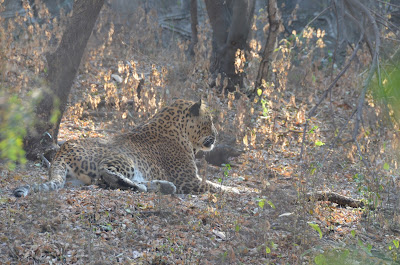
Later that afternoon we went to the Rajiv Gandhi Zoo. We had so much fun walking around and seeing the animals.
Loved the Mama monkey with her babe!

Then her baby ran up a tree branch...
 ...while Mama is relaxing in the shade

Killer snake

Beautiful alligator

Akash was not afraid of the snakes!

Spotted deer

Kids having fun

This is a Bengal tiger, which is considered an endangered species; there are less than 2,000 in India.



So excited to see an American menu!


The next day we took a trip to Lonavla, a quiet little town and hill station about 40 miles from Pune. Nestled between scenic hills and lush greenery, the town felt a bit like Tuscany.


A local relaxing

Kids posing as a warm breeze passes by.


It was the perfect way to end our weekend jaunt to Pune.
When I arrived I was immediately taken by how calm the city felt compared to Delhi. It seemed to have a great mix of cosmopolitan culture yet without the hustle bustle of Delhi and Mumbai. Even so, the city still maintains a strong sense of identity and tradition. What started out as a small agricultural settlement in the 5th century is now a burgeoning hub for IT, manufacturing and higher education. In fact, Pune is popularly known as the Oxford of the East. The population of young educated professionals adds to the city's vibrant character. Oh, and did I mention the temperate climate and proximity to Mumbai. I think I understand this city's livability.
We stayed in Koregaon Park, a hip part of town that boast great restaurants and shopping. The kids loved our hotel, which looked like a cruise ship. Our first afternoon in Pune, Sanjay went golfing with Shailen at the Pune Golf course, one of the oldest golf courses in the country.

The next morning we woke up to perfect Pune winter weather -- sunny, 70's and a perfect warm breeze. It was a nice reprieve from the Delhi winter. We decided to learn a bit about Pune's history so we ventured off to Aga Khan Palace, a museum dedicated to Mahatma Gandhi and has strong ties to India's independence movement. The palace was built by Sultan Muhammed Shah Aga Khan III, the 48th spiritual head of the Ismali religion. He originally built the palace to employ the famine struck villagers in the surrounding areas.
By way of history, in the early 1900s Pune played an important role in the country's freedom struggle from Great Britain; many of the freedom fighters were educated in Pune and then went on to lead impressive and important battles against the British in this city. Over time, as many important freedom fighters were put under arrest by the British the palace became associated with the Freedom movement. In fact, Mahatma Gandhi was put under house arrest in this palace from 1942-1944. In 1969 the palace was donated to the government in memory of Mahatma Gandhi.

Aga Khan palace is a majestic building with beautiful Italian arches and spacious lawns. Here Priya and Shailen pose in front of the palace.

The museum inside the palace houses collection of pictures and photographs of the important incidents in Gandhi's life.
Here is the room that Gandhi's wife died in, while her husband was under house arrest. The picture shows Gandhi caring for his wife on her deathbed, which is below the picture.

This is one of the earlier renderings of the Indian flag after its Independence.

This is a picture of Gandhi attending his wife's funeral.

On the back lawns Sanjay poses with the kids in front of the marble memorials for Gandhi's wife and his secretary (who also died at the palace)

Priya and Shailen in front of some of Gandhi's ashes.

If the entrance gate to the palace doesn't tell you this is a fort, I'm not sure what will. The strongly built Dilli Darwaza gatehouse has massive doors, large enough only to admit charging elephants. To discourage elephants charging the gates, each pane of the gate has seventy-two sharp twelve-inch steel spikes arranged in a nine by eight grid, at approximately the height of the forehead of a battle elephant. Each pane was also fortified with steel cross members, and borders were bolted with steel bolts having sharpened cone heads.

Sanjay and the kids in fron of the gate.

This cannon was actually used during war time.

On the roof of the only surviving building is where the snipers watched for enemies.

Here Priya is sitting in front of one of the nooks where the snipers waited to attack.

The grounds of the palace were really beautiful.

Here the kids watch as people explore the area where the women of the palace used to bathe.

In this picture one can see the foundation of the palace that was burned down.

Some pictures taken in and around the palace.


Later that afternoon we went to the Rajiv Gandhi Zoo. We had so much fun walking around and seeing the animals.
Loved the Mama monkey with her babe!

Then her baby ran up a tree branch...


Killer snake

Beautiful alligator

Akash was not afraid of the snakes!

Spotted deer

Kids having fun


A white bengal tiger - there are only 100 in India.


Later that day we went to the first Hard Rock Cafe in India. It was decorated with all kinds of Rock and Roll Memorabilia. We felt like we were back in the U.S.

So excited to see an American menu!


The next day we took a trip to Lonavla, a quiet little town and hill station about 40 miles from Pune. Nestled between scenic hills and lush greenery, the town felt a bit like Tuscany.


A local relaxing

Kids posing as a warm breeze passes by.


